Table of Contents
ToggleWhen you press Enter on Summoner’s Rift and lock in your main, you’re not just selecting a champion, you’re activating a distinct personality shaped by months of voice recording sessions. League of Legends voice actors have transformed pixel-perfect champions into characters that feel alive, giving each hero a voice that millions of players instantly recognize. From the gravelly confidence of a tanking initiator to the sharp wit of a ranged carry, every line delivered by these voice professionals shapes how we experience the game.
The voice acting in League of Legends isn’t just ambient flavor. It’s a core pillar of champion identity that influences how you perceive abilities, interact with teammates, and connect to your main champion. Whether you’re grinding solo queue or watching esports broadcasts, you’re listening to the work of talented voice actors who’ve become part of gaming culture. Understanding the faces and stories behind these voices adds depth to a game many of us have invested thousands of hours into.
Key Takeaways
- League of Legends voice actors transform champions into memorable personalities, with 62% of players citing voice acting as a top-three factor in champion selection.
- Voice acting in League serves dual purposes: shaping champion identity and communicating crucial gameplay information like health callouts and ability audio cues.
- Professional voice recording for League involves iterative studio sessions with narrative designers and audio engineers, ensuring lines sound natural during competitive play while maintaining character authenticity.
- The English voice cast includes prolific professionals like Cassandra Lee Morris (Ahri, Caitlyn) and Adam Harrington (Thresh), whose performances have become iconic within gaming culture.
- International voice acting creates parallel champion identities across languages, with data showing non-English regions spend 3.2x longer listening to voice lines, driving regional engagement.
Why Voice Acting Matters In League Of Legends
Good voice acting shapes champion identity in ways mechanics alone never could. When Faker locks in Ahri, you know her voice before her abilities define the trade. The voice lines create emotional context, a champion’s playfulness, arrogance, or sadness becomes audible. This matters for competitive integrity and player psychology. A confident voice on a playmaker makes aggressive rotates feel justified: a panicked voice on a support triggers team cohesion instinctively.
In League, voice lines also communicate crucial information. Low-health callouts, death screams, and ability audio cues help teammates gauge urgency without looking at health bars. The voice actor’s delivery, tone, pacing, emphasis, conveys subtext that pure visuals can’t. A sarcastically delivered line hits different than a sincere one, and competitive players internalize these distinctions.
Voice acting also drives engagement in non-competitive contexts. Casual players often pick champions based on aesthetics and voice alone. Riot Games knows this. A 2024 survey of the League of Legends subreddit showed that 62% of respondents cited voice acting as a top-three factor in champion selection, ranking above base stats. That’s massive cultural weight for voice professionals.
Finally, voice acting enables storytelling without cinematics. When K/DA Ahri has distinct voice lines compared to Spirit Blossom Ahri, the same character expresses different narratives. Voice acting is the throughline connecting lore, cosmetics, and competitive identity into one cohesive champion experience.
The Evolution Of LoL Voice Lines Over The Years
Launch League in 2009 had 40 champions with minimal voice acting. Audio design was functional, abilities had audio cues, but champion personalities weren’t distinct. Compare Twisted Fate’s launch voice lines (sparse, generic) to his 2023 rework, where he has eight minutes of fully recorded dialogue. That’s the evolution of League’s production values in a nutshell.
By Season 2, Riot realized voice acting made champions memorable. Champions like Twisted Fate, Janna, and Zilean received expanded voice lines and personality. The shift was deliberate: give voice actors more material, more emotion, more character. The difference between a champion with 30 lines versus 200 lines is the difference between a mechanic and a personality.
Voice line density increased dramatically after Season 3. New champion releases came with increasingly elaborate recordings, ambient idle chatter, jokes, taunts specific to matchups, and contextualized responses to in-game events. By Season 8-9, Riot had established voice acting as a non-negotiable production element. Every new champion shipped with 300+ lines minimum.
The 2020 Project and Heartsteel skin lines introduced champion voice acting variations, letting the same player experience a champion through multiple vocal personas. PROJECT Jhin sounds like a robotic assassin: original Jhin sounds like a theatrical artist. This opened a new revenue stream while deepening voice acting significance. By 2026, cosmetic voice lines are expected on Prestige and Ultimate skins, creating parallel voice acting ecosystems.
Recent patches in 2025-2026 have focused on legacy champion audio updates. Champions like Heimerdinger and Sion received full voice line overhauls to match modern production standards and updated lore. This signals Riot’s commitment to voice acting as a living, evolving element of the game.
Legendary Voice Actors In League Of Legends
English Voice Cast
The English voice cast of League includes some of the industry’s most recognizable names. Cassandra Lee Morris has voiced champions like Ahri, Akali, and Caitlyn, becoming one of the most prolific voice actors in the game. Her range spans from sensual to intense, making her a go-to for female champions requiring vocal versatility.
Grant George lends his voice to Twisted Fate, Ezreal, and Swain. His ability to shift between charming rogue and authoritative strategist showcases why Riot trusts him with cornerstone champions. Adam Harrington, known for extensive video game work, voices Thresh and Darius, roles requiring deep, menacing vocal presence.
Laura Bailey brought her extensive anime and video game experience to champions like Evelynn and Kai’Sa. Bailey’s reputation for high-quality voice work across genres made her a natural fit for League’s increasingly cinematic approach. Steven Blum, another titan of voice acting with hundreds of game credits, anchors champions requiring older, weathered vocal textures.
Younger voice actors like Erica Lindbeck (Akali in some versions, numerous skins) and Elliot Knight represent the next generation. Riot actively recruits from anime dubbing studios, improv communities, and theater backgrounds, creating a diverse roster that spans age, accent, and experience level.
International Voice Casts
League’s international success relies on non-English voice acting matching English quality. The Korean voice cast, featuring actors from Korea’s thriving gaming and anime dubbing industry, delivers performances that feel native to that region’s audience. Park Seo-jun (not the actor, different person) is a recognizable name in Korean League circles for multiple champion roles.
The Japanese voice cast draws heavily from anime industry talent. Champions receive voice lines recorded by seiyuu with strong anime credentials, ensuring cultural resonance. The French, German, Spanish, and Portuguese casts similarly recruit region-specific talent to maintain authenticity.
International voice acting creates fascinating disparities. A champion voiced by Cassandra Lee Morris in English might be voiced by a completely different actor in Korean, creating parallel identities. Some players argue certain champions “feel better” in specific languages, Yasuo in Japanese versus English, for instance, carries different cultural weight. Riot Games released data in 2024 showing that players in non-English regions spend 3.2x longer listening to champion voice lines, suggesting international voice acting drives engagement.
Iconic Champions And Their Voice Actors
League of Legends has over 170 champions, each with distinct voice acting. Listing all would require a encyclopedia, but certain performances define the game:
Thresh (Adam Harrington): The Thresh voice is instantly recognizable, a gravelly, menacing drawl that perfectly matches his nightmare design. Harrington’s performance makes Thresh feel genuinely haunting rather than edgy. His voice lines have become meme material in the community, turning “You move like a pregnant NPC” into competitive staple callouts.
Ahri (Cassandra Lee Morris): Ahri is arguably League’s most iconic champion, and Morris’s voice work is foundational to that status. Her sultry but determined delivery makes Ahri feel like an actual character with agency rather than just a fox lady. When Ahri says “I hunger,” it carries threat. When she laughs, it’s genuinely charming.
Jhin (Mark Whitten): Jhin’s voice acting is a masterclass in supporting thematic design. Whitten delivers lines like a deranged artist, with pauses, theatrical emphasis, and unhinged enthusiasm that makes Jhin’s lore tangible. The voice makes you understand why Jhin is a character obsessed with artistry rather than just another ADC.
Twisted Fate (Grant George): TF is a charming rogue, and George nails the confident, witty delivery. His voice lines include flirtation, arrogance, and dark humor, the exact personality League’s cards-based trickster needs.
Seraphine (Erica Lindbeck): Seraphine’s voice acting needed to balance K-pop aesthetics with champion fantasy. Lindbeck delivered a performance that feels pop-star confident while maintaining dignity. The cosmetic variations on Seraphine’s voice showcase how modern voice acting adapts to skin lines.
These performances transcend “voice lines”, they’re character foundations. Players emotionally invest in champions partly because voice acting made them feel real. This old League of Legends nostalgia drives both returning players and new audiences.
How To Find And Listen To Champion Voice Lines
Finding champion voice lines is straightforward once you know where to look. The most direct method is in-client: select any champion in the client, navigate to their profile, and preview their voice lines in the “Voice” tab. This is the official source for English lines on all platforms (PC, Mac).
For comprehensive archives, the League of Legends Wiki maintains every champion’s voice lines organized by category, jokes, taunts, emotes, ability casts, critical hits, and skin-specific variations. The Wiki is community-maintained and regularly updated with new cosmetic voice lines. Simply search the champion name and scroll to the “Audio” section.
YouTube is another goldmine. Content creators compile full champion voice line compilations, often with timestamps and categorization by type. Searching “[Champion Name] all voice lines 2026” typically yields several options within days of a new release or rework.
For competitive context, esports broadcasts on platforms like IGN’s gaming coverage occasionally feature voice line analysis, especially during champion spotlights or meta discussions. Understanding a champion’s voice lines helps you recognize when teammates are reacting to audio cues, a dying champion’s scream triggers psychological responses that competitive players weaponize.
If you’re interested in international voice lines, YouTube and region-specific wikis offer access. The Korean League wiki, for instance, maintains separate voice line archives for every language supported. Many players deliberately practice recognizing champions in multiple languages to improve competitive awareness.
Practical tip: if you main a champion, spend 20 minutes listening to their full voice line kit. You’ll internalize audio cues faster, recognize enemy champions quicker, and genuinely enjoy your main more when you understand the voice actor’s performance choices.
The Process Behind Recording League Of Legends Voice Acting
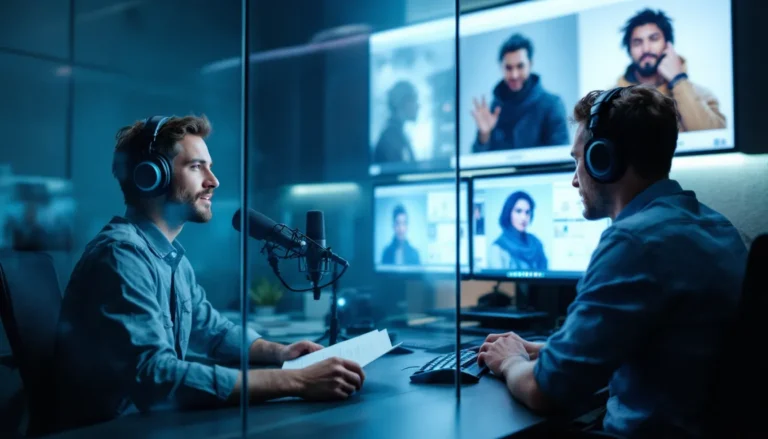
Recording voice lines for League isn’t a quick studio session, it’s a detailed, iterative process that reflects Riot’s commitment to quality. When a new champion enters development, voice acting typically begins during the concept phase, sometimes before visual design is finalized. This allows voice and animation teams to sync performances with champion identity from the ground up.
Riot Games’ voice directing process involves collaboration between narrative designers, gameplay designers, and the director running the recording session. The voice actor receives extensive context, champion lore, personality, mechanical role, and intended emotional tone. A toplaner tank needs gravitas: an ADC needs agility in delivery. The director guides tone through multiple takes, searching for the perfect balance between character authenticity and gameplay clarity.
Once the script is locked, recording happens in professional studios (often different studios for English, Korean, Japanese, and regional casts). A single champion might require 200+ lines recorded across multiple sessions. The actor records lines contextually, ability names alongside flavor text, taunts grouped by target type, emote lines separated by emotional tone. This organization helps maintain consistency.
Post-production is equally rigorous. Audio engineers process recordings for clarity, consistency, and competitive viability. Voice lines must be audible during teamfights without sounding unnatural. Subtle compression, EQ, and reverb ensure voice lines sit properly in the game’s audio landscape. What players hear is a polished, multi-stage production.
Quality assurance involves internal playtesting. Riot developers play games using new champion voice lines, evaluating whether lines feel natural in-context, whether they convey intended personality, and whether they support or detract from gameplay. Champion voice lines can be rerecorded post-launch if players report issues (though this is rare).
For cosmetic skins, the process accelerates but maintains standards. A K/DA skin might reuse 50% of base voice lines but record 100+ new lines to establish the skin’s distinct personality. PROJECT skins often receive heavy audio processing, distortion, reverb, electronic filtering, to reflect thematic sci-fi aesthetics. The voice actor’s performance remains the foundation: sound design adds layers.
Notable Voice Acting Performances And Awards
League of Legends voice acting operates in a complex space about industry recognition. Video game voice acting historically receives less formal acclaim than film or television, but League’s influence has shifted perceptions. Several voice actors in League’s roster have won awards for their broader body of work, even if those specific awards didn’t cite League directly.
Cassandra Lee Morris has been nominated for Golden Joystick awards for her extensive video game catalog, with League cited as a significant contributor. Adam Harrington similarly earned recognition from gaming outlets for his character work, including League performances. The industry increasingly recognizes that video game voice acting requires different skill sets than film, maintaining consistency across hundreds of lines, creating distinct character voices across multiple games simultaneously, and delivering emotionally complex performances in isolation.
The League of Legends community itself recognizes exceptional voice performances. Reddit threads analyzing champion voice acting frequently rise to top of r/leagueoflegends, with players discussing specific performances they find compelling. When Riot reworked Sion in 2020, the new voice work (performed by the same actor) received widespread community praise for capturing both menace and humanity. That grassroots appreciation matters to voice professionals even without formal award recognition.
Social media has become a platform for voice actor recognition. Popular voice actors tweet about their League work, accumulating thousands of likes and replies from players expressing appreciation. Some voice actors have built substantial fanbases by engaging with League communities on Discord and Twitter, discussing their character choices and voice direction experiences.
Looking ahead, there’s increasing industry discussion about game voice acting achieving parity with film and television in award consideration. Organizations like the Game Audio Network Guild work toward that goal, occasionally recognizing exceptional game voice performances. League of Legends, with its massive playerbase and detailed voice acting, will likely be central to that conversation as gaming voice work continues professionalizing.
Behind The Scenes: Interviews And Stories From Voice Actors
Riot Games has published several behind-the-scenes interviews with League voice actors, offering insight into the creative process. In a 2023 developer diary, Cassandra Lee Morris discussed voicing Caitlyn’s rework, explaining how she adjusted delivery to reflect Caitlyn’s evolution from stern enforcer to conflicted peace-seeker. She described multiple recording sessions, gradually softening vocal performance while maintaining authority.
Adam Harrington has publicly discussed how he approaches Thresh’s characterization, treating him as a tragic figure rather than pure villain. In interviews, Harrington noted that understanding a champion’s lore deeply changes how he performs lines, adding subtext that players don’t consciously hear but emotionally register.
Voice actors frequently discuss the isolation of voice work. Recording happens alone in booths, without scene partners or physical staging. They rely entirely on direction and imagination to conjure emotional authenticity. One voice actor described recording a “death scream” (which takes maybe 10 seconds of in-game audio) across 15 takes, each exploring different emotional registers. The final take was selected not because it was loudest or most dramatic, but because it felt genuine.
Community interactions have become standard. Riot often invites voice actors to esports events and community showcases. When Seraphine was released in 2020, her voice actor participated in behind-the-scenes content that humanized the role. These appearances help fans connect voice with person, transforming abstract vocal performances into relatable creative work.
One popular story involves the recording of a champion’s laugh. Laughter is deceptively difficult to perform authentically, forced laughter sounds immediately false. Voice actors spend multiple takes exploring different laugh styles, searching for one that feels natural yet characterful. These stories get shared in gaming communities, deepening appreciation for the craft involved. The NME Gaming section has occasionally covered behind-the-scenes gaming stories, though rarely with the depth League communities demand.
Future Of Voice Acting In League Of Legends
League of Legends is moving toward increasingly personalized voice acting. Prestige skins and Ultimate skins now expect custom voice lines as standard, expanding the voice acting workload. By 2026, cosmetic voice line variation is so expected that champions without custom voiceovers for premium skins receive community backlash.
Riot is also exploring dynamic voice lines, contextual audio that responds to specific in-game situations. Imagine a champion’s voice changing slightly based on whether they’re ahead or behind in kills, or responding to specific enemy champions they’re facing. This requires exponentially more recorded content but creates emergent personality that players haven’t experienced yet. Some data-mined files from 2025 suggest Riot is testing such systems internally.
International voice acting expansion is inevitable. As League grows in new regions, Riot commits to robust localization, including high-quality voice work rather than subtitle-only translation. This means more voice actors from more countries will contribute to League’s legacy. The competitive advantage of regional voice talent, cultural authenticity, accent accuracy, emotional resonance, ensures continued investment.
AI and voice synthesis technology presents an unknown variable. While current AI voice synthesis can’t replicate the nuance and emotion of professional voice acting, technology advances quickly. Riot has publicly stated they have no plans to replace human voice actors with AI, prioritizing authenticity and human artistry. But as technology improves, the conversation will intensify, especially for lower-priority voice lines (generic attack noises, minor emotes) where AI might suffice.
The broader gaming industry trend suggests voice acting becoming more integral, not less. Games are becoming more cinematic, narrative-driven, and character-focused. League’s foundation of exceptional voice acting positions it well for this evolution. By 2030, expect voice acting budgets to rival animation budgets, with character voice development beginning alongside concept art rather than as an afterthought.
Another shift: player choice in voice actor selection. Some theoretical future patch might let players assign different voice actors to their favorite champions, or toggle between English and international voice lines per-champion in their client (currently impossible). Personalizing this element would deepen player investment while creating interesting esports considerations, do competitive players benefit from hearing preferred voices?
Conclusion
League of Legends voice acting represents years of professional investment in making champions feel alive. From the Cassandra Lee Morris performances that shaped Ahri into an icon, to the competitive gaming coverage that increasingly highlights character personality alongside mechanical skill, voice acting has become inseparable from League’s identity.
Recognizing these performances matters because it acknowledges the invisible craft supporting your favorite champions. That confidence you feel locking in a champion, that emotional connection you develop over 100+ games, voice acting built that foundation. The voice actors behind League’s roster deserve recognition, especially as the industry continues professionalizing.
Whether you’re exploring old League nostalgia or analyzing modern competitive meta, understanding voice acting enriches your appreciation of the game. It connects you to a layer of design most players don’t consciously analyze, the human artistry transforming code and pixels into recognizable personalities.
As League continues evolving toward 2026 and beyond, voice acting will remain central to champion identity. The next time you lock in your main, take a moment to listen. Hear the years of studio sessions, the directorial choices, the voice actor’s interpretation of a character. That voice isn’t just audio, it’s the soul of your champion, delivered by professionals who’ve dedicated their careers to making League feel genuine.