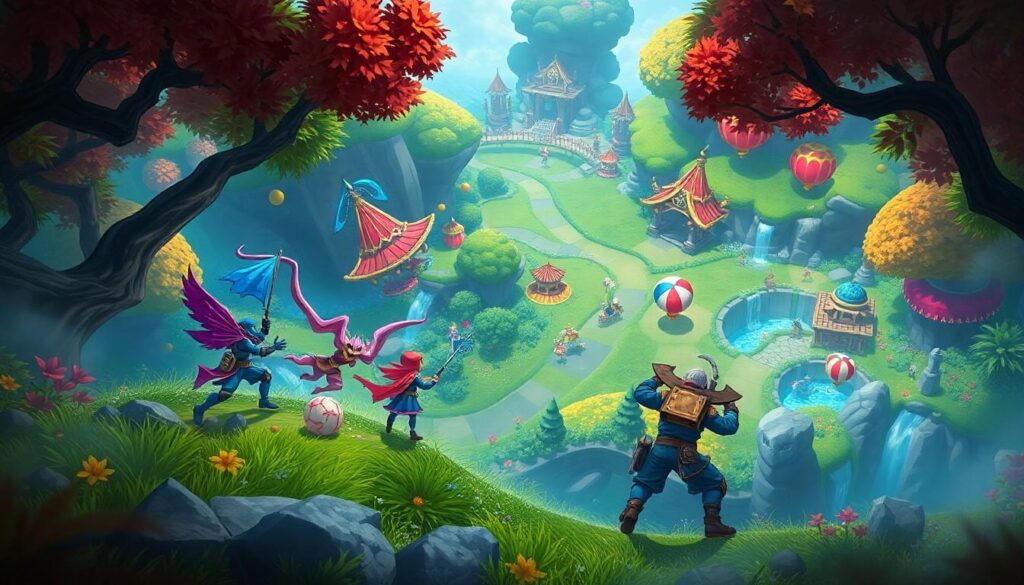
Once upon a time in the pixelated realm of Summoner’s Rift, champions battled with the fervor of caffeinated squirrels. Old League of Legends wasn’t just a game; it was a cultural phenomenon that turned casual players into seasoned strategists. With its quirky characters and epic clashes, this beloved title had everyone shouting “For Demacia!” or “The Void beckons!” at their screens, often while wearing pajamas.
As nostalgia washes over gamers like a warm cup of cocoa, it’s hard not to reminisce about the simpler times of League. Remember when the community was filled with quirky memes and epic fails? Dive into the enchanting world of old League of Legends, where every match was a rollercoaster of emotions and every champion had a story. Get ready to relive those glory days and discover why the old League still holds a special place in the hearts of many.
Overview of Old League of Legends
Old League of Legends offers a rich gaming experience known for its unique mechanics and vibrant champion designs. Nostalgic anyone?
Game Mechanics
Gameplay in old League of Legends emphasized strategy and teamwork. Players developed skills while mastering champion abilities and understanding map dynamics. Individual roles, including tank, damage dealer, and support, played crucial parts during matches. Items provided situational advantages, allowing for diverse playstyles. The game’s early emphasis on communication fostered cooperation among players, differentiating it from more modern iterations.
Champion Design
Champion design in old League of Legends exhibited creativity and distinctiveness. Each champion showcased unique abilities, contributing to varied gameplay experiences. Lore enriched character backgrounds, enhancing player attachment. Some popular examples included Jinx, Thresh, and Lee Sin, each with iconic traits or themes. Art style combined whimsy with intensity, appealing to a broad audience. Fans engaged with community-created content, deepening their connection to the champions.
Nostalgic Features
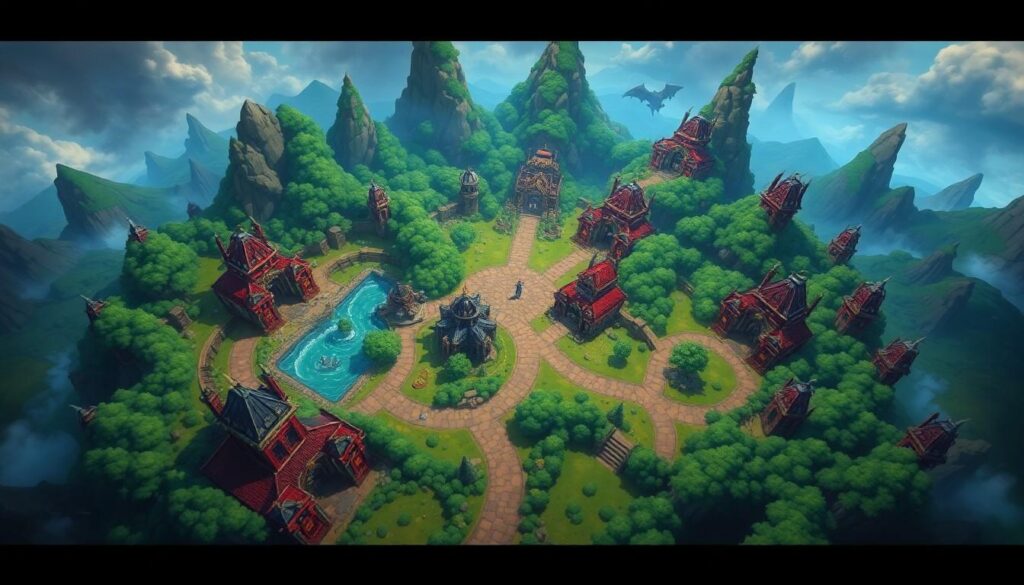
Old League of Legends introduced unique elements that defined gaming experiences and fostered lasting memories. Players often remember the charm of earlier features, which created a distinct atmosphere.
Map Design and Layout
Map design in old League of Legends was simpler yet effective. Summoner’s Rift provided diverse lanes, creative jungle paths, and strategic chokepoints. Turrets and inhibitors shaped team dynamics, with players carefully planning attacks and defenses. Visual aesthetics, including lush landscapes and vibrant colors, enhanced immersion in gameplay. Intense battles unfolded in the jungle, where ambushes and ganks occurred, paving the way for thrilling moments. The map’s evolution over time didn’t subtract from the original feeling of exploration and tactical gameplay.
Gameplay Elements
Gameplay elements demonstrated the depth of strategy in old League of Legends. Champions showcased distinct abilities that complemented various playstyles, encouraging players to experiment with tactics. Role distinctions such as tank, damage dealer, and support provided layers of strategic opportunities. Mechanics like last-hitting minions and timing skill shots emphasized precision and decision-making. Communicating with teammates at early game stages led to effective coordination and enjoyable matches. Memorable moments arose from clutch plays and unexpected comebacks, fostering a sense of camaraderie among players. The playful yet intense atmosphere cultivated not only competition but also friendships within the community.
The Community Experience
The community of old League of Legends created memorable interactions and bonding moments among players. Engaging in friendly banter and strategizing during matches developed a unique player culture.
Player Culture
Players frequently formed tight-knit groups, building friendships that extended beyond the game. Emphasis on teamwork encouraged collaboration and communication. Players celebrated victories and commiserated defeats together. Inside-game terminology, such as “gank” and “warding,” fostered a shared language, strengthening community ties. Memorable moments, including epic comebacks and unforgettable plays, became stories retold among friends. Competitions and ranked matches cultivated a sense of achievement. The passion shown for personal growth guided players to hone their skills, further enriching their experiences.
Content Creators and Streamers
Content creators and streamers played pivotal roles in shaping the old League of Legends community. Popular channels showcased gameplay strategies and champion guides, attracting a diverse audience. Many streams fostered engaging discussions and allowed for real-time interactions between players and viewers. Content creators shared hilarious highlights and epic fails, often resulting in viral moments that resonated with fans. By creating memes and videos, they strengthened ties within the community. Their influence helped define gaming culture, leading to a vibrant ecosystem of shared laughs, strategies, and unforgettable experiences.
Changes Over Time
League of Legends has undergone significant changes since its early days, evolving in gameplay mechanics, balance, and community dynamics.
Patch Updates and Their Impact
Patch updates frequently adjusted champions, items, and game mechanics. Early patches focused on maintaining game balance, addressing overpowered champions like Rammus and the infamous Twisted Fate. Each update often introduced new features that enhanced gameplay experience. For example, the introduction of ranked play in Season 1 increased competitive spirit among players. Subsequent patches emphasized champion reworks, offering refreshed gameplay while maintaining core abilities. This shift allowed the game to remain relevant and engaging, attracting both new players and veterans alike. Players adapted to these changes, evolving their strategies to remain competitive with updated meta. Community feedback played a crucial role in this process, influencing the developers’ decisions.
Shift in Playstyles
Playstyles underwent notable transformations as players mastered the game’s intricacies. Initially, casual gaming defined the experience, fostering a playful environment. Players often embraced simpler tactics, focusing on individual champion strengths. However, as competitive play gained popularity, strategic depth became essential. Positioning, map awareness, and teamwork emerged as cornerstones of successful gameplay. Predominant roles like jungler and support gained importance, demanding enhanced cooperation for victory. Players learned to communicate effectively, adapting to shifting dynamics during matches. This evolution reflected a growing awareness of teamwork’s impact, enriching the overall gaming experience. Engaging in high-stakes competition pushed players to refine their skills, leading to a more strategic approach over time.
Legacy of Old League of Legends
Old League of Legends left a lasting impact on its players and the gaming community. Players honed their skills through strategic gameplay, a hallmark of the game’s original design. Champion roles, including tank, damage dealer, and support, created a unique emphasis on teamwork. Effective communication among team members often led to memorable victories and deepened bonds between players.
Iconic champions like Jinx and Thresh showcased extraordinary creativity, each with rich lore and unique abilities that resonated with fans. The visual aesthetics of the game amplified the immersion, enhancing the overall experience. Community-created content flourished, reflecting player attachment to these characters and the world. Rich interactions occurred on forums, where players shared strategies and celebrated epic moments.
Nostalgic features defined the gaming environment. Simpler map designs encouraged exploration and strategy. The unpredictability of jungle encounters led to intense battles, often determining match outcomes. Moreover, experiments with gameplay tactics enabled players to explore diverse playstyles and tactical approaches.
Tight-knit groups formed within the community, fostering a culture of friendly banter and strategic discussions. Memorable moments, such as unexpected comebacks, became part of shared lore amongst players. Influential content creators and streamers played a vital role in shaping community dynamics, offering insights that resonated deeply with audiences. Their engaging content contributed to a vibrant ecosystem, filled with shared experiences and strategies.
Changes over time significantly altered the landscape of League of Legends, yet the core legacy remains. Introduced mechanics like ranked play enhanced competitive spirit, while continuous balance updates kept the game fresh. Evolutions in playstyles reflected a growing focus on skills such as map awareness and positioning, enriching the overall experience.
Conclusion
The enchanting world of old League of Legends continues to resonate with players long after its initial release. Its unique blend of strategic gameplay and vibrant community fostered unforgettable memories and lasting friendships. The charm of its iconic champions and the thrill of mastering intricate mechanics created a gaming experience that’s hard to replicate.
As players reflect on their journeys through Summoner’s Rift, it’s clear that the essence of old League of Legends remains alive in the hearts of many. The game’s legacy not only shaped individual players but also influenced the broader gaming culture, making it a cherished part of history. Revisiting those moments offers a chance to appreciate the magic that once captivated millions.